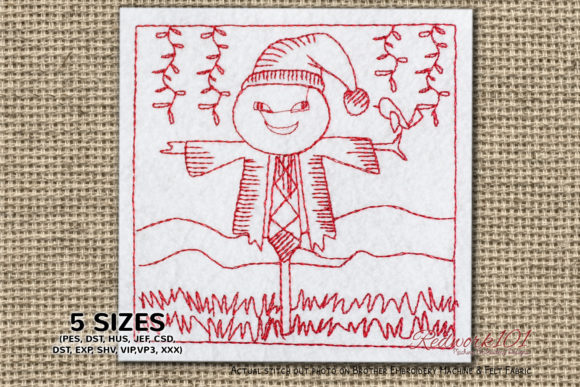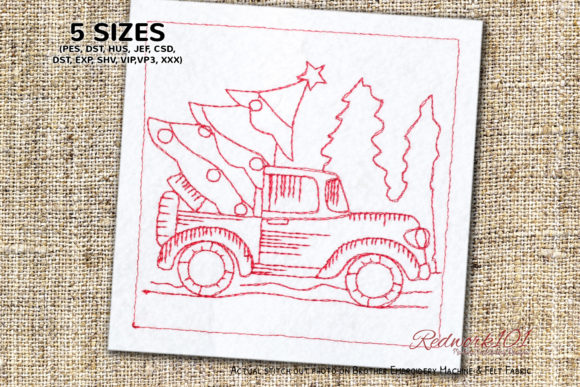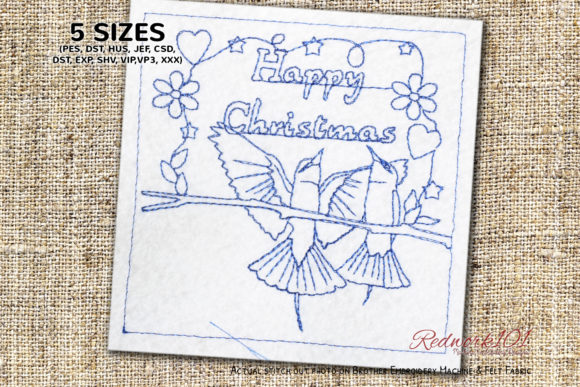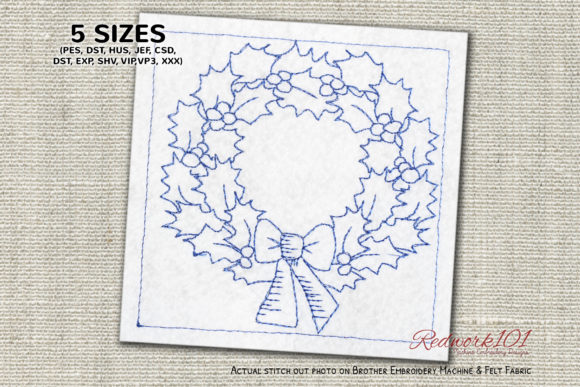
A Christmas Crib Lineart Design for Crafters and Professionals
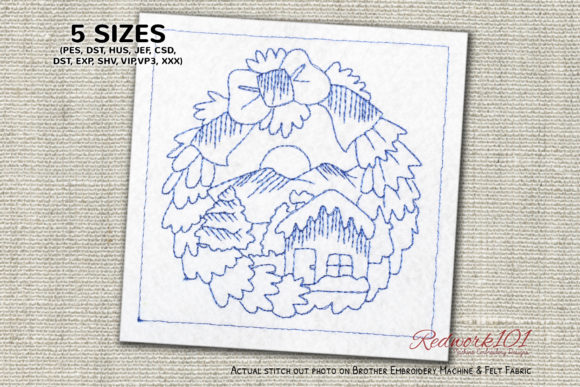
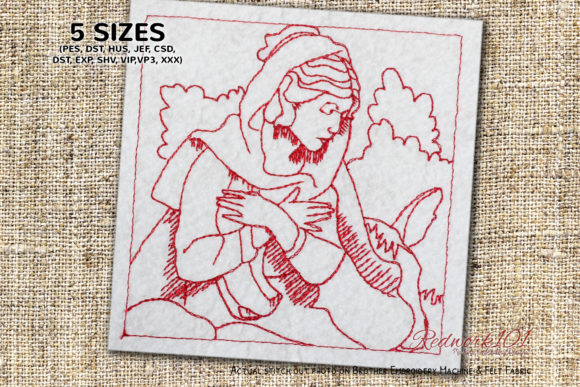
From a professional designer’s perspective, a good embroidery file needs to hold its own on fabric. It’s not just a picture; it’s a blueprint for a physical, textured object. When I look at this Christmas Crib Lineart Design, my immediate thought isn’t about the holiday theme, but about how it will translate into stitches. This is a quiet, narrative design. The lineart style creates a sense of delicacy and tradition, which is perfect for evoking that nostalgic, handmade Christmas feeling.
The First Impression: A Quiet, Storybook Moment
The mood here is gentle and illustrative, rather than loud and celebratory. The layout focuses on the crib as a central, simple shape, which means it won’t overwhelm a garment or product. This isn’t a design that shouts; it whispers. That visual personality makes it an excellent candidate for items meant for reflection or personal connection—think a pillow cover in a cozy living room, a framed embroidered piece for a nursery, or a personalized gift for someone who values the story behind the craft.
Where This Design Finds Its True Home
In practical application, I envision this Christmas Crib Lineart Design shining on a few specific products. A clean, white tea towel or apron would be a classic, functional holiday item. Stitched onto a natural-colored tote bag, it becomes a subtle, year-round statement for a crafty individual. For a small shop product, I’d lean towards creating an embroidered patch. The lineart style, if stitched with clean running stitches or a fine satin stitch outline, would make for a sophisticated, wearable piece that customers could apply to their own jackets or bags.
One real-life scenario I’m considering is preparing a set of custom embroidered pillow covers for a boutique. The design’s inherent calmness would complement linen fabric beautifully, elevating a simple home decor item into a handmade product with a story. It feels giftable and professional, not mass-produced. That’s a key value for Etsy sellers and creative entrepreneurs—designs that enhance the perceived craftsmanship of the finished product.
Performance on Real Fabrics and Products
Let’s talk about how this design will perform when the machine starts humming. The lineart nature suggests it’s likely comprised of outline paths. This is generally good news for versatility. On a sweatshirt or t-shirt, the design won’t add heavy stitch density that could make the fabric stiff. On baby clothes or lightweight blankets, a lighter stabilizer and fine threads could render a beautifully soft result.
However, the potential challenge lies in clarity. On textured fabrics like a coarse linen or a fuzzy sweater, very fine lines might lose definition. On dark fabric, the contrast becomes paramount. You must test your thread colors to ensure the crib scene reads clearly against a navy or black background, perhaps opting for a metallic silver or a bright white to keep that storybook clarity. For custom apparel like caps with curved surfaces, the design’s relatively contained shape should hoop well, but you’ll need to be vigilant about stitch placement on those curved seams to keep the lines smooth.
Caution Areas for a Smooth Stitching Experience
While versatile, there are places I’d use this design more carefully. If the file contains very small details within the crib structure, these could become lost or muddy on small hoop sizes. Always inspect the digitized file closely for any tiny elements. Embroidering on thin or stretchy fabric requires impeccable stabilization to prevent puckering, even with what seems like a light design.
Products destined for frequent washing, like kitchen towels or everyday caps, need durable thread choices. A lineart design can show wear more quickly if stitches are too fine or loose. For commercial embroidery projects where durability is key, consider a slightly thicker thread weight or a secure fill stitch for the main outlines to ensure longevity and maintain customer trust in your handmade presentation.
How This Design Elevates Your Project Value
Beyond the stitch, a design like this affects perception. Its illustrative quality lends an air of professionalism and artistry to your work. For a digital embroidery file seller, it’s a strong design asset that clients can visualize on multiple products through printable mockups. It supports brand consistency for a shop specializing in delicate, narrative holiday items.
For the end customer, it creates engagement through its simplicity. It invites a look, rather than a quick glance. On a holiday gift or a wedding gift for a new family, it carries meaning. That emotional resonance translates directly into product value for craft businesses and apparel decorators.
Essential Designer Notes Before You Hoop
My final, always-relevant advice for using any design, including this Christmas crib lineart, is to test. Always run a sample on scrap fabric first. This isn’t just about checking for errors; it’s about seeing how the lines interact with your specific material and thread. Check the contrast in both light and dark fabric backgrounds. Does it hold up? Review the stitch density in your machine’s preview. Are there areas that might become too dense?
If the outer box stitch mentioned is optional, that’s a useful feature. It allows you to frame the design if needed for a patch, or integrate it seamlessly into a larger composition, like on a baby embroidery blanket with other elements. Remember, the color of outer Box is different color in most of the designs unless it is part of the design itself, so you have control. You can skip it to keep the focus purely on the crib.
Crucially, confirm the licensing terms of the file. Whether you’re creating a single personalized gift or planning to produce hundreds of items for small shop merchandise, knowing your rights is fundamental. This ensures your creative and commercial work is built on a solid foundation.
In essence, this Christmas Crib Lineart Design is a thoughtful tool. It provides a foundation for creating elegant, meaningful embroidery projects. With careful testing and considered application, it can become a staple in your holiday collection, a design that stitches out not just a picture, but a quiet, cherished moment.