A Craft Fair Review of the Shoe Embroidery Design
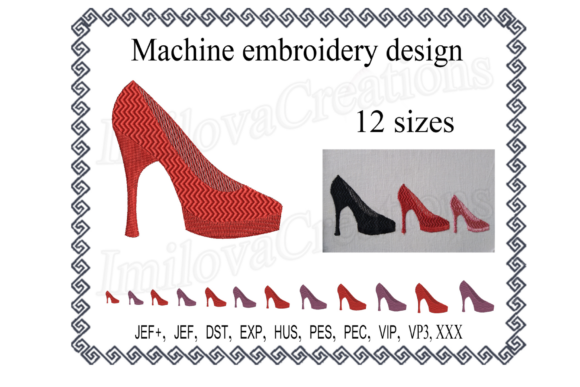
As a designer preparing for a weekend market, I evaluate every embroidery file not just for its aesthetics, but for its real-world selling power. When looking at a design titled Shoe Design, my first question is: will this draw a customer’s eye on a crowded table? The title suggests a straightforward, likely decorative motif. My initial impression leans towards cute, modern, and versatile. It feels like a design that could easily adapt to different moods—from playful on a child’s pouch to elegantly minimalist on a linen pillow. This inherent flexibility is a huge advantage for a craft fair seller who needs to cater to diverse tastes.
Where This Shoe Design Will Stand Out on Your Booth Table
Imagine your display: totes, aprons, tea towels, patches, caps, and pouches all competing for attention. A well-placed Shoe Design can act as a subtle anchor. On a tote bag, positioned near the top or on a front pocket, it becomes a charming, recognizable accent. For apron embroidery, especially on a chef-style apron, a single shoe design on the bib or pocket adds a personalized, handmade touch that feels more premium than a plain fabric. Tea towel embroidery is a classic, but here, the design’s success hinges on its scale. A shoe motif centered on a towel can be a fantastic giftable item, suggesting themes of travel, fashion, or simply everyday life.
One of the strongest applications might be as an embroidered patch. Patches are hot sellers, and a clean, well-defined shoe design is perfect for this. It allows customers to personalize their own jackets, bags, or hats later. On pillow covers, especially in a modern or farmhouse setting, a repeating pattern of the shoe design could create a cohesive, decorative look. For small fabric pouches or market bags, it serves as a perfect focal point, making a simple product feel thoughtfully designed.
Practical Production: Making It Sellable and Scalable
The commercial viability of any machine embroidery design depends on its practicality in production. Before you batch-produce fifty tote bags, you must consider the file itself. Since specific details like stitch count or exact hoop size aren’t provided here, your first step is to check those crucial details in your embroidery file. This dictates everything.
Stitch density is a primary concern. A design with very dense stitching will look beautiful and solid, but it can be time-consuming to run on your machine and may require more robust stabilizer. On thicker fabrics like canvas for totes, or textured towels, dense areas can also create a stiff feel. Conversely, if the design is light and open, it will sew quickly and feel soft, but might lack visual impact on dark fabrics. Always test the design on scrap fabric first, mimicking your final product material.
Key Considerations for Batch Production
- Thread Contrast: Test the design with high-contrast threads on your intended fabric colors. Does a white shoe pop on a navy tote? Does a black design retain its clarity on a grey apron?
- Scale and Clarity: How small can you go? If you want to put this on a cap, the curved surface and smaller area are challenging. Tiny details or small lettering within the design might blur or vanish. Make a real sample on a cap to verify.
- Photography for Online Sales: For your Etsy listings or printable mockups, a clean, simple design like this photographs well. It’s easy to understand at a glance in an online thumbnail, which is vital for digital sellers.
- Repeatability: Does the design feel repeatable? Can you sew it ten times in a row without frustration due to long stitch times or frequent thread breaks? This affects your efficiency and profit margin at the fair.
Enhancing Booth Appeal and Customer Engagement
At the fair, your products tell a story. The Shoe Design contributes to your brand’s consistency. If your booth leans towards modern, minimal gifts, this design on linen pouches and pillow covers strengthens that theme. If your style is more rustic or farmhouse, applying it to tea towels and aprons in natural fabric colors creates a cohesive look.
Its visual appeal is direct. People recognize a shoe instantly. It’s not an abstract pattern; it’s a familiar object, which can spark an emotional connection or a simple “that’s cute!” reaction. This immediate recognition is a powerful tool for buyer engagement. A customer might buy a shoe-embroidered tea towel not just as a towel, but as a gift for a friend who loves running or fashion.
To maximize this, create at least one real mockup of your best product idea. Display it prominently. Perhaps pair a shoe-embroidered tote with a matching small pouch on your table. This shows the design’s versatility and increases the perceived handmade quality and product value. It tells the customer you’ve thoughtfully applied the art, not just mechanically stamped it on everything.
Final Designer Notes Before You Sew
- Confirm Commercial Licensing: Ensure your digital embroidery file for Shoe Design includes a license for commercial use on your finished products. This is the foundation of ethical and legal small shop production.
- Match Hoop Size to Product: Verify the design’s optimal hoop size and compare it to the areas on your actual products (tote bag panels, apron sections, etc.). A design meant for a 5x7 hoop might not fit well on a small cap front.
- Inspect for Tiny Details: Look closely at the design preview. Are there extremely fine lines or fills that might not stitch cleanly on a textured towel or a loosely woven market bag? Adjust your stabilizer choice accordingly.
- Compare Fabric Colors: Lay out your intended fabric swatches. Does the design work across your color palette? Having a range of options (e.g., shoe in red thread on a cream bag, shoe in grey thread on a black bag) can attract more customers.
In conclusion, the Shoe Design presents a solid opportunity for craft fair and handmade market products. Its versatile, recognizable nature makes it a safe bet for multiple applications, particularly on items like totes, towels, and patches where its charm can be easily appreciated. By carefully testing its production parameters and thoughtfully applying it to products that align with your booth’s aesthetic, you can turn this machine embroidery design into a reliable, appealing part of your handmade product lineup. Focus on clarity, contrast, and context, and it will likely become a quiet but steady seller on your table.