A Designer's Take on Christmas Sack Bluework for Craft Fairs
As an embroidery designer preparing for a weekend craft fair, every design needs to be scrutinized not just for its aesthetic appeal, but for its real-world selling power. When I evaluate a new design like Christmas Sack Bluework, I’m thinking about my booth table loaded with tote bags, aprons, tea towels, and pillow covers. I’m asking myself: will this design stop a customer walking by? Can I produce it efficiently? Does it translate well onto the products that actually sell? Let’s walk through that judgment.
The First Impression: Festive & Decorative Simplicity
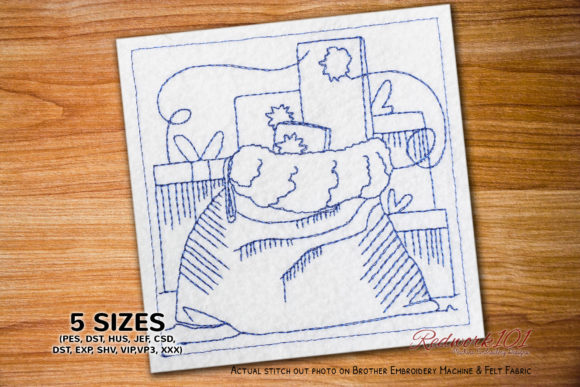
The name Christmas Sack Bluework immediately signals a festive, likely rustic or farmhouse-style decoration. “Bluework” suggests a classic, perhaps single-color or tonal approach, which leans into a softer, decorative feel rather than a bold, graphic punch. This is a design that whispers “handmade holiday” rather than shouts it. For customers drawn to a cozy, traditional Christmas aesthetic, this can be a strong pull. The optional box stitch mentioned in the description is a key note—it tells me this design has built-in flexibility. I can choose to frame it for a more complete, premium look, or skip that outer element for a simpler, quicker stitch-out that might work better on textured fabrics like tea towels.
Where Christmas Sack Bluework Stands Out on the Booth Table
My mental blueprint of the craft fair booth is where this evaluation gets practical. I imagine Christmas Sack Bluework shining on specific products.
- Tote Bags & Market Bags: As a larger focal point on the front of a natural canvas bag, this design would feel premium and gift-ready. The decorative sack motif is clear and festive at a glance.
- Tea Towels & Aprons: These are my bread-and-butter holiday sellers. Here, the design likely works best as a centered accent. The optional outer box might be skipped on a textured towel to avoid stitch density issues, letting the sack itself be the charming focus.
- Pillow Covers: Perfect. This feels like a natural fit for a decorative holiday pillow, offering a soft, festive touch that complements other rustic decor.
- Fabric Pouches & Giftable Items: Smaller pouches or ornaments might be a great application, provided the design retains clarity when scaled down. This is a point I’d need to test.
- Caps & Patches: I’d be cautious. Curved surfaces and smaller areas require designs with very clear, robust outlines. Small lettering or intricate details in Christmas Sack Bluework could lose definition here. A test on scrap fabric is mandatory.
For Etsy sellers and digital shops, a well-photographed mockup of this design on a crisp, white tea towel or a natural tote bag would capture its handmade quality beautifully. The simpler color scheme (implied by “Bluework”) should photograph cleanly, avoiding color clashes that sometimes muddy online listings.
Practical Production: What Makes or Breaks a Batch
Turning a digital embroidery file into a stack of products for sale requires a production-minded review.
- Understanding at a Glance: The core “sack” motif should be easily recognizable, which is good for customer engagement. They understand the product immediately.
- Stitch Density & Fabric: I’m noting the mention of an optional outer box with a potentially different color. This suggests areas of concentrated stitching. On denser fabrics like caps or dark cotton, I’d need a robust stabilizer to prevent puckering. On lighter linens for towels, skipping the box might be the wiser production choice for speed and fabric integrity.
- Batch Production Repeatability: A design with a clear, central image and optional elements can be very repeatable. I can batch-stitch the sack motif across multiple towels, then decide to add the box frame on select, premium items like pillow covers to vary the product line without changing the core file.
- Thread Contrast & Fabric Colors: “Bluework” suggests a specific color palette. I would test this on both light and dark backgrounds. A blue design on a navy tote bag might vanish, while on an cream apron it would pop. Testing thread contrast on scrap fabric of your actual product materials is non-negotiable.
Careful Use Notes for the Embroidery Business Owner
Every design has its quirks. For Christmas Sack Bluework, my designer notes would include:
- Always create at least one real physical mockup before batch production. Hoop it on the actual product fabric—a towel, a bag scrap—to see the true scale and stitch behavior.
- Pay close attention to any small lettering or tiny decorative elements within the sack design. On textured towels or from a distance on a booth table, fine details can blur.
- The note about the outer box color being different is a production cue. It means managing a thread color change. For fast craft fair production, simplifying to fewer colors can increase output.
- Confirm the commercial licensing of the embroidery file itself before selling any finished products. The product description doesn’t specify this, so that is a vital step for any small shop product line.
- Consider how it fits your brand. If your booth is modern minimalist, this rustic decorative design might need pairing with simpler products. If your brand is all about farmhouse Christmas, it’s a perfect fit.
The Final Booth Display Strength
In the end, a design’s value is judged at the craft fair table. Christmas Sack Bluework, when executed well on the right product, can enhance perceived handmade quality and product value. A clean, crisp stitch-out on a high-quality tea towel looks artisan. A bold version on a canvas tote bag becomes a standout gift item. Its festive theme draws immediate customer attention during the holiday season. However, its success hinges entirely on practical execution: choosing the right hoop size for the product, using the correct stabilizer for the fabric, and ensuring the design scale is appropriate so that the charming sack motif is the clear hero of the piece. For the embroidery business owner looking to fill their booth with cohesive, sellable holiday goods, this design offers a decorative, flexible option worth testing—but always test first, stitch with intention, and let the handmade appeal speak for itself.