A Real-World Look at the Baby Angel Machine Embroidery Design
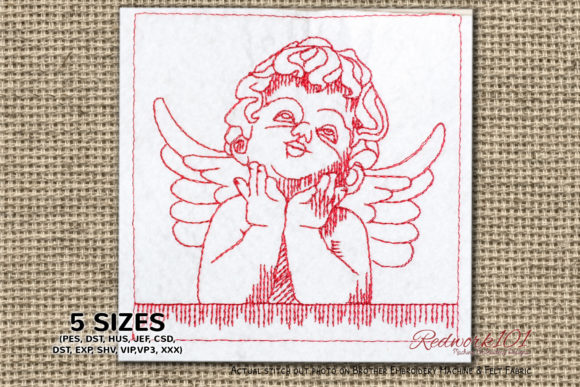
When you’re considering a new embroidery file for a client project or your own small shop merchandise, the first thing I always do is ask: what does this design feel like? Looking at the Baby Angel Machine, the immediate impression is one of sweet, serene nostalgia. It’s not a loud, festive Christmas design; it’s quieter, more personal. The central angel figure evokes a gentle, protective mood, making it feel less like seasonal decor and more like a meaningful symbol. This visual personality is its biggest strength—it belongs on items meant to convey warmth and care.
The Kind of Projects This Angel Calls For
This isn’t a design I’d automatically throw onto a holiday kitchen towel. Its appeal is more intimate. My mind goes straight to personalized gifts: a delicate white angel on a baby’s blanket or nursery pillow cover, a subtle accent on a christening gown, or a single, beautiful motif on a heirloom-quality tea towel. For a craft business, it could elevate a simple linen tote bag into a boutique product. The optional box stitch mentioned in the description is interesting; if that outer box is a different color as stated, it creates a framed, almost medal-like effect. That could work wonderfully for an embroidered patch, giving it clear borders for application.
Where the Design Shines in Real Stitching
In practical use, the success of this machine embroidery design hinges on its detail level. On a medium to large hoop size on stable fabrics like cotton twill for a tote or a quilting-weight cotton for a pillow, those finer angel details should stitch out with clarity. On a custom apparel piece like a sweatshirt, using a good stabilizer is key to prevent puckering, especially if the design has areas of denser fill stitch. I’ve found designs with this kind of thematic focus really boost the perceived value of a handmade product. A customer looking for a wedding gift or a sentimental baby item isn’t just buying a sweatshirt; they’re buying the emotion the design carries. That directly impacts customer trust and engagement.
Caution Areas: Fabrics and Scale
This is where experience pays off. I would be careful using the Baby Angel Machine on very small hoop sizes. Tiny lettering or intricate details might lose definition. Similarly, textured or stretchy fabrics—think thin jersey for baby clothes or the curved surface of a cap—could distort the softer shapes. If you’re planning it for dark fabric, you absolutely need to test thread color contrast on scrap first. A light angel on a dark navy might need a slightly brighter white or an added backing to pop. And for any product destined for frequent washing, like a child’s garment, checking stitch density for durability is a must.
Turning a Digital File into a Professional Finished Product
My process for a design like this always starts with a test stitch. It’s not just about checking the machine embroidery design runs; it’s about seeing the actual stitch clarity, the balance of satin stitch and running stitch areas, and how the colors interact. Does the optional box stitch integrate well or feel separate? I’d also run it through black and white mockups to see how it holds up as a graphic silhouette—that tells you a lot about its strength as a design asset for printable mockups or digital product previews. For commercial embroidery or selling the finished product, the most critical step is confirming the licensing terms of the file itself. Never assume.
Why This Design Works for Creative Entrepreneurs
For Etsy sellers and small shop owners, the Baby Angel Machine offers flexibility. It’s clearly tagged as a Christmas embroidery file, but its mood transcends the season. That means you could market it for holiday gifts and for year-round baby products or personalized keepsakes. This broadens your listing’s appeal. When stitched well on a suitable product, it conveys a professionalism that feels handmade yet precise, which is exactly what builds brand consistency. A client receiving a custom embroidered pillow with this angel isn’t going to question the craftsmanship; the design’s inherent elegance supports your skill.
In the end, the real-world judgment is positive. The Baby Angel Machine design, with its gentle theme and optional structural elements, is a solid choice for projects that require emotional resonance over flashy decoration. It’s a design that asks for a bit of thoughtful application—choosing the right fabric, considering the scale, testing the colors—but rewards you with a finished product that feels genuinely giftable and professionally made. As always, your success with it comes down to pairing the digital embroidery file with the right physical project and preparing meticulously. That’s where the magic happens, not just in the file, but in the hands of the maker using it.