Cat Eyes and Nose Embroidery Design Review
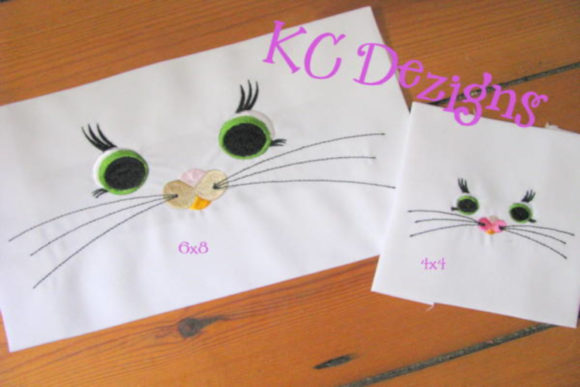
As an embroidery designer preparing for a weekend craft fair, every design in my library gets a practical review. Today, I’m looking at the Cat Eyes and Nose Design with a critical eye for what it can do on the sales floor. This machine applique embroidery design comes in three hoop sizes and a wide range of formats—DST, EXP, HUS, PES, SEW, VIP, VP3, JEF, XXX—which means it’s ready for most machines. But the real question is: how does it translate into products that sell?
First Impression and Market Fit
The title Cat Eyes and Nose Design immediately suggests a playful, graphic, and slightly mysterious feel. It’s not overly cute; it’s bold and minimal. This gives it a modern, almost decorative quality that could appeal beyond the stated Boys category. For a craft fair booth, this design feels versatile. It can lean towards a rustic, handmade charm on a tea towel or take on a sleek, premium look on a tote bag. Its simplicity is its strength—it’s easy to understand at a glance, which is crucial for catching a customer’s eye from across a crowded market.
Product Application: Where It Stands Out
My booth display typically includes a range: tote bags, aprons, tea towels, patches, caps, small pouches, pillow covers, and giftable items. For the Cat Eyes and Nose Design, I envision specific winners.
Tote bags and market bags are a prime canvas. The graphic nature of the design makes a strong statement on a solid-color bag. It reads as a modern, artistic accent rather than a childish motif, which can broaden its appeal.
Aprons and kitchen towels offer a fantastic home for this design. The playful, animal-themed element feels right for a kitchen, adding a touch of personality without being fussy. On a textured towel, I’d be mindful of stitch density and stabilizer to keep the applique details crisp.
Embroidered patches are a hot category. This design, especially in a smaller hoop size, could make a fantastic, standalone patch. Its clear, iconic imagery would work well on a backpack or jacket, appealing to a younger audience.
Caps present a challenge due to their curved surface, but a well-placed, smaller version of this design could be a unique seller. The eyes and nose are a compact motif that could sit perfectly on the front panel.
Small pouches and pillow covers turn this into a giftable item. On a pillow, it becomes a decorative accent piece. For a pouch, it adds character and perceived value. In both cases, it feels repeatable for batch production, which is key for efficient fair preparation.
Practical Production and Selling Points
Turning a digital embroidery file into a successful craft fair product requires thinking about production hurdles and customer perception.
Stitch Density and Fabric Considerations
Applique designs often involve areas of denser stitching. Before batch-producing, I always test the design on scrap fabric similar to my final product—be it cotton canvas for totes or textured linen for towels. Checking thread contrast is vital; this design likely relies on clear color separation between the eyes, nose, and background. On dark fabric, I’d plan for lighter thread colors to maintain clarity.
Hoop Size Versatility and Clarity
The availability in three hoop sizes is a major advantage. The smallest size allows for delicate accents on caps or small pouches. The largest size can become a bold focal point on a pillow or tote. However, I must advise: always inspect the design at the smaller sizes first. Tiny details in an applique can sometimes lose definition if reduced too much. Creating at least one real mockup is non-negotiable to see how it looks in person, not just on a screen.
Photographing for Online and Display
For my Etsy listings and printable mockups, a design like this should photograph well. Its clean lines and graphic shapes will look sharp and professional in product photos, which helps sell the handmade quality. In the booth itself, products featuring this design will have strong visual appeal. They tell a quick story—playful, modern, a touch whimsical—which engages buyers and can encourage them to touch the product.
Booth Display Strategy and Buyer Engagement
At the fair, I’d group products with the Cat Eyes and Nose Design together to create a mini-collection. A tote bag next to a matching tea towel and a patch shows versatility and helps customers imagine the design in their life. This consistency builds a stronger brand impression for my small shop.
The design’s value comes from its execution. Using the right stabilizer for the fabric, ensuring clean stitching, and choosing high-quality base materials (like a good weight canvas for a tote) makes the finished product feel premium. That handmade quality is what justifies the price and makes it stand out from mass-produced items.
Final Designer Notes Before Production
My review process always ends with a checklist. For this design:
- Confirm the exact hoop sizes and stitch count by checking the provided files before starting any commercial embroidery production.
- Review spacing and alignment; a symmetrical design like this needs to be centered perfectly on products.
- Compare fabric colors in person. A cream linen versus a white cotton can change the whole mood of the design.
- Absolutely confirm commercial licensing terms for the digital embroidery file. As a designer selling finished products, I must ensure my license allows for this.
- Plan the production batch. Which products (totes, towels, patches) will I make in quantity based on my mockup success and past sales data?
The Cat Eyes and Nose Design has solid potential for a craft fair booth. It’s a versatile, graphic motif that translates well to popular handmade products. Its success will hinge on practical execution—testing, choosing the right fabric and thread contrasts, and presenting it as part of a cohesive, quality-focused collection. For embroidery business owners looking for a design that is both playful and producible, this one warrants a close look and a test stitch.