Professional Review of the Happy Devil Bluework Design
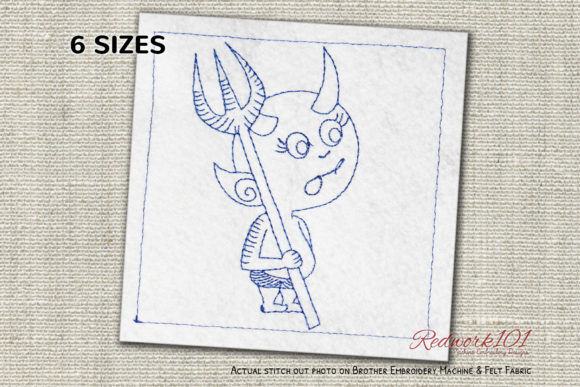
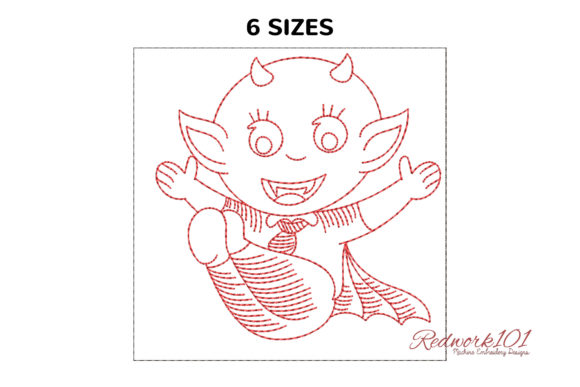
When a new embroidery file arrives on my screen, I immediately assess it from a business lens. Not just "Is it pretty?" but "Will it work for my clients?" The Happy Devil Bluework design presents an interesting case. The playful title suggests a character-driven theme, positioned in the Halloween category, but its potential stretches far beyond seasonal decor. For small business owners, embroidery shops, and merch creators, this design warrants a detailed review for branded merchandise and commercial use.
First Impressions: Character and Versatility
The "Happy Devil" concept immediately conveys a friendly, almost whimsical personality. This is crucial for businesses wanting to project a playful, approachable brand without being overly spooky. The "Bluework" element suggests a potential focus on line art or tonal shading, which can be excellent for creating a more rustic, handmade, or classic aesthetic. My first take is that this design feels playful yet professional, leaning towards decorative but with strong potential for brand accenting. It doesn't scream "premium luxury," but it effectively communicates "creative and engaging."
Evaluating Real-World Business Applications
Let's move from impression to application. How does Happy Devil Bluework perform in the hands of a café, boutique, studio, or Etsy seller?
As a Branded Embroidered Patch
This is one of the strongest use cases. A standalone Happy Devil Bluework patch can serve as a versatile brand asset. Think of a small pet brand using it on a leash holder, a bakery stitching it onto apron pockets, or a creative studio offering it as a customer gift. The design's character-centric nature makes it a memorable brand identifier. For patch production, the note about the optional box stitch is vital. An outer border can frame the design, making it pop on uniforms or bags, but skipping it directly might lend a more integrated, subtle look if the devil itself is the focal point.
On Staff Uniforms and Workwear
For chest logos, sleeve details, or apron embroidery, Happy Devil Bluework offers a distinctive accent. On a dark uniform, the contrast of the bluework (assuming a lighter thread palette) would be key for visibility. It could inject personality into a staff shirt for a funky café or a handmade shop, boosting team morale and customer recognition. It’s likely less formal than a classic logo, so it fits businesses prioritizing a friendly, handmade presentation.
For Merchandise and Customer Products
Cap fronts, tote bags, and product labels are prime territories. On a cap, the design's size and stitch density must be carefully calibrated—a dense, large design on a curved cap front can be problematic. For tote bags, it becomes a great walking advertisement for a boutique or florist. As an accent on product packaging—say, a small patch sewn onto a candle's fabric label—it adds perceived value and visual consistency to a product line.
Critical Considerations for Production Success
Before running this embroidery file on a commercial machine, several practical checks are non-optional.
Size and Placement Challenges
Small patch sizes are a common request. You must test Happy Devil Bluework at a reduced scale to ensure details remain clear and stitching is stable. Tiny lettering (if present) or intricate outlines can blur or break. Curved surfaces like cap fronts require adapting hoop size and potentially simplifying elements. Always test on a real cap sample.
Fabric and Durability Factors
High stitch density can lead to stiffness on flexible items like apparel. On textured fabrics like canvas totes, it may perform beautifully, but on fine knit polos for uniforms, it could be too rigid. For items needing frequent washing—like staff aprons or work shirts—ensure the thread color contrast and stitch integrity hold up over time. A loose, unstable design will fray and diminish the brand's professionalism.
The Color and Contrast Note
The product description contains an essential technical note: "The color of outer Box is different color in most of the designs unless it is part of the design itself, you can skip the color directly..." This implies flexibility in final presentation. For business use, thread color contrast against the background fabric is paramount for brand recognition. On dark fabrics, you might need to adjust the entire color scheme, not just the box. Always test it in black and white thread first on your target fabric to gauge contrast and form.
Impact on Brand Identity and Customer Trust
Choosing Happy Devil Bluework for your business merch is a brand statement. It leans towards creative, niche, and character-driven. This can deeply resonate with a specific customer base, increasing buyer engagement through a shared aesthetic. However, it may not suit a brand seeking minimalist or corporate elegance. The design, when executed well on high-quality garments, elevates product value and fosters customer trust by showing attention to detail. A poorly embroidered, misplaced version, however, can undermine perceived professionalism.
For visual consistency, this design can become a key design asset across your touchpoints—from your Etsy shop banner mockup to the actual embroidered tote bag a customer carries. It creates a recognizable thread (pun intended) through your brand experience.
Final Designer Notes for Commercial Use
My checklist before using Happy Devil Bluework for any client project:
- Test at small patch size to confirm readability and stitch integrity.
- Review the actual embroidery file for spacing and potential stitch count issues that could affect production speed.
- Inspect hoop size requirements against the intended item (e.g., small cap hoop vs. large bag hoop).
- Test on real fabric swatches matching the final product, using proper stabilizer for that fabric type.
- Create a printable mockup for client approval, integrating the design with their other branding.
- Compare it beside their other logo assets to ensure it complements, not clashes.
- Confirm commercial licensing for the digital embroidery file. The description doesn't specify terms; you must verify you can use it for business merchandise before production.
Happy Devil Bluework is a design with character and commercial potential. It’s not a generic logo, but for the right business—one embracing a playful, handmade, or thematic brand identity—it can become a powerful tool for creating memorable, branded merchandise. Approach it with a professional's eye for detail, test rigorously, and it will reward you with a unique mark that customers notice and remember.