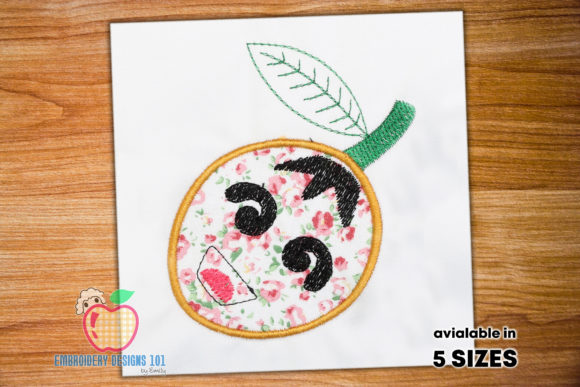
Testing the Chick Outline Applique Embroidery Design
A First Impression: Sweet Charm with Modern Simplicity
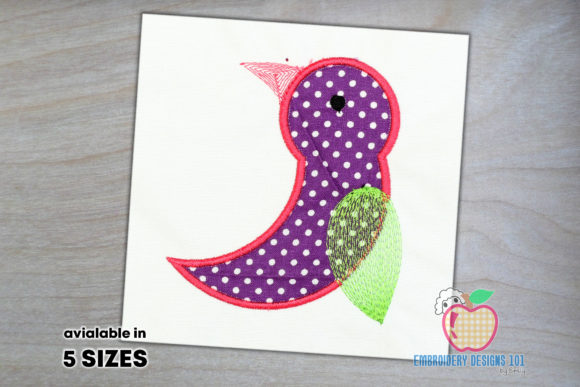
When I first loaded the Chick Made with Outline Applique machine embroidery design, its immediate mood struck me. This isn't a hyper-realistic, densely filled design; it’s a charming, sweet outline that feels both playful and elegant. The detail level is intentionally minimalist, focusing on clean lines that suggest the form of a little bird. This creates a delightful emotional appeal—it’s modern, handmade, and carries a timeless, gentle quality. For a personalized gift shop, this aesthetic is a goldmine. It doesn’t scream "seasonal" or "baby" exclusively, though it leans naturally there. Instead, it feels classic, adaptable, and ripe for imbuing with personal meaning through its application.
Versatility in Personalized Gift Creation
My testing plan was to envision this design across the spectrum of products my shop offers. Its outline style makes it incredibly versatile.
For Baby & Nursery Themes
This design is a natural fit for baby embroidery. Stitched onto a organic cotton blanket, a muslin swaddle, or the corner of a delicate pillow cover for a nursery, it becomes a subtle, loving motif. The applique approach means you can choose a soft, contrasting fabric for the chick’s body, adding texture without overwhelming stitch density. It’s perfect for baby product creators looking for designs that are gentle and not overly bulky.
For Keepsakes & Home Decor
Think beyond the nursery. For a wedding gift, embroidering this chick onto the linen of a kitchen towel or apron can symbolize a new beginning, a little "lovebird" touch. On a custom tote bag or a pillow cover in a couple’s home, it becomes a romantic, understated keepsake. For family gifts, imagine it on a holiday apron or a personalized towel set—it’s a lighthearted signature that says "home."
For Crafters & Small Businesses
For Etsy sellers and craft fair vendors, this design is a practical winner. Its separation by color changes means efficient production. You can create a whole line: embroidered towels, simple pillow covers, lightweight baby blankets. The finished product photographs beautifully—the outline style looks crisp and professional against fabrics, enhancing perceived value and customer trust in your handmade product quality. Offering it as part of custom embroidery previews for clients is easy; a printable mockup showing it on different items (tote, pillow, towel) would immediately engage buyers.
Where to Use with Care: Practical Considerations
While versatile, any professional embroidery designer knows that application context matters. Here’s my review of where the Chick Made with Outline Applique needs thoughtful planning.
First, on fabrics with a lot of texture or loft, like thick towels or some blankets, the outline detail must be supported by the right stabilizer. A missed stitch in a single line could break the form. On stretchy baby clothes, like jersey knit, extra stabilization and possibly a lighter stitch density setting are crucial to prevent distortion.
The design, being an outline, relies on contrast. On dark fabric, your thread colors and the applique fabric choice become paramount for visibility. A light applique on dark denim for a tote bag? Perfect. But using a dark thread on a dark ground would lose the charm.
Given its likely use on products that need frequent washing—towels, aprons, baby items—ensuring the stitch structure is secure and the applique fabric is washable is key. The perceived handmade quality must translate to durability.
Finally, on small items or curved surfaces (like the brim of a baby hat), confirming the hoop size compatibility is essential. The design shouldn’t be miniaturized beyond where its lines remain clear.
Enhancing Giftability & Customer Connection
From a shop owner’s perspective, this design directly boosts giftability. Its sweet, non-aggressive style makes it an easy, safe choice for gift-givers. It feels thoughtful without being overly specific. The emotional connection is immediate—it evokes simplicity, nature, and tenderness. When a customer orders a personalized gift like a pillow cover with this chick for a friend’s new baby, they’re buying that connection. Your shop, by offering it, becomes the conduit. The clean result fosters buyer engagement; they’re likely to return for more personalized items, trusting your custom embroidery skill.
My Essential Embroidery Notes Before Selling
Before running this on a real customer order, I follow a disciplined checklist. I never assume.
- Always test on scrap fabric identical to the final product fabric. For a kitchen towel, test on a towel scrap. This reveals how the fabric texture interacts with the design.
- Check thread color contrast thoroughly. Play with combinations for the outline versus the applique piece to maximize appeal.
- Confirm hoop size requirements. While the product description mentions multiple file formats, the exact minimum hoop size is a critical detail I must verify from the design file itself.
- Review stitch density in the embroidery file preview. An outline design can sometimes have surprisingly dense underlay or stitches; I need to ensure it’s suitable for delicate fabrics.
- Use the proper stabilizer for each project. A tote bag might need a heavy cutaway; a baby blanket a lightweight tear-away.
- Create light and dark fabric mockups digitally for my shop listings, to show customers the possibilities.
- Check small details after stitching the test piece. Are the curves smooth? Do any jump stitches need trimming for a cleaner look?
- Most crucially: Confirm commercial licensing before selling any finished products. The product description provided doesn’t specify license terms; I must absolutely clarify this with the designer or distributor. As a professional, my reputation depends on respecting the digital embroidery file rights.
The Chick Made with Outline Applique is a delightful addition to a gift shop’s embroidery library. Its charm lies in its simplicity and the vast creative application it allows. By approaching it with professional diligence—testing, adapting, and respecting its technical needs—it becomes a reliable, heartwarming asset for creating products that customers will cherish.