The Power Button Applique: A Professional Designer's Craft Fair Review
As an embroidery designer preparing for a weekend craft fair, every new design undergoes a real-world review. It’s not just about the digital file; it’s about how it translates into a physical product that catches a customer’s eye, feels good in the hand, and sells from the booth. Today, I’m evaluating the Power Button Applique machine embroidery design. Let’s break down its potential for handmade market products.
First Impression & Visual Appeal
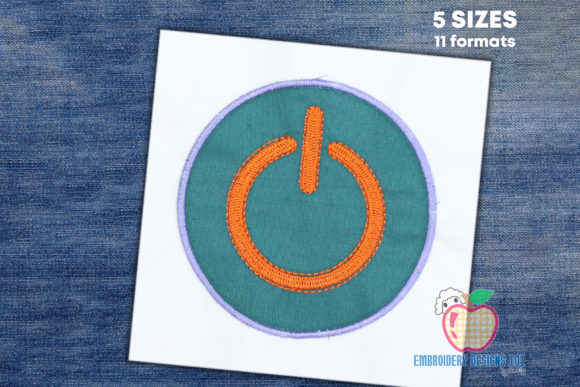
The concept of a Power Button Applique immediately signals a modern, tech-inspired, and universally recognizable motif. It feels bold, graphic, and slightly witty—not cute or rustic, but clean and contemporary. This is a strength. In a crowded craft fair booth filled with floral and farmhouse designs, this stands out as different. Its simplicity suggests it could be interpreted as minimalist decor or a fun statement, depending on the product and color choices. For creative entrepreneurs targeting a younger, urban, or tech-savvy customer, this design has immediate appeal.
Performance on Key Craft Fair Products
Your booth display is your portfolio. Where does the Power Button Applique shine?
Tote Bags & Market Bags
This is a prime candidate. A single, centrally placed power button on a canvas tote bag creates a strong focal point. It’s easy to understand at a glance—customers will recognize the symbol immediately. The graphic nature means it photographs exceptionally well for Etsy listings and printable mockups. Use a high-contrast thread color, like white on a black bag or bright red on neutral linen, to maximize impact.
Aprons & Kitchen Towels
For apron embroidery or tea towel embroidery, placement is key. On the corner of a towel or the chest of an apron, it acts as a clever, subtle accent rather than a large statement. This can elevate a simple utilitarian item into a giftable handmade product. Be mindful of fabric texture; on a textured towel, ensure the stitch density is sufficient for the design to remain clear and not get lost in the weave.
Caps & Embroidered Patches
The curved surface of a cap requires a robust, well-digitized design. Assuming the Power Button Applique file has manageable stitch density, it could work well as a left-side cap logo. As a standalone embroidered patch, it’s perfect. Patches are hot sellers at fairs. This design, backed onto felt or twill, becomes a versatile product for customers to apply to their own items. It’s repeatable for batch production—you can efficiently run a dozen patches in one session.
Pillow Covers & Small Pouches
On a pillow cover, consider scaling. As a larger focal design, centered on a modern linen pillow, it would look premium and decorative. On a small fabric pouch, a smaller version near the zipper makes a great branding accent. This versatility between accent and focal point is a major commercial advantage.
Practical Production & Selling Points
Turning a digital embroidery file into a profitable stack of booth products requires practical thinking.
Batch Production & Consistency
The design’s clear, separated color steps (as noted in the description) facilitate efficient production. You can queue up multiple items without constant thread changes, which is ideal for a small shop product line. Consistency across products—the same red button on a bag, apron, and patch—builds strong brand consistency in your booth display.
Photography & Online Sales
Graphic designs sell online. The Power Button Applique will look sharp and clean in product photos, which is crucial for Etsy sellers and digital sellers using mockups. Its simplicity means it doesn’t rely on tiny details that can blur in a thumbnail image.
Customer Engagement & Value
At the fair, this design sparks conversation. It’s relatable. It can be framed as “the power to create,” “on/off for your day,” or simply a cool geek chic symbol. This story adds perceived handmade quality and value beyond a simple decoration. It feels intentional, which customers appreciate.
Careful-Use Notes for the Embroidery Designer
Before you commit to a full production run, here are my professional notes from the designer’s bench.
- Always Test on Scrap Fabric First: Hoop your intended material—canvas for bags, linen for towels, etc.—and run the design. Check for any issues with dense stitch areas, especially if the circle and symbol are filled.
- Thread Contrast is Crucial: On dark fabrics, use a bright, opaque thread. On light fabrics, a dark thread will make it pop. This contrast is non-negotiable for visual clarity.
- Inspect Stitch Density & Stabilizer: A good stabilizer is key, particularly for thinner fabrics like tea towel linen or for caps. Too much density on lightweight fabric can cause puckering.
- Scale Considerations: If you resize the design smaller for an accent, confirm that the inner “on/off” symbol detail remains clear. Tiny lettering can lose definition. It’s likely best kept at a moderate size.
- Create a Real Mockup: Don’t just rely on the digital file. Make one finished product—a tote bag or patch—to see it in person. This informs your pricing and helps you visualize the booth display.
- Confirm Licensing: The description mentions it’s a machine embroidery design for multiple machines. As a best practice, always verify the commercial embroidery license terms before selling finished products to ensure your use is covered.
- Check Hoop Size Requirements: While the description doesn’t specify, note the design dimensions from your software to ensure it fits your standard hoops for your target products.
Final Judgment for Your Craft Fair Booth
The Power Button Applique is a strong contender for a craft fair product line. Its modern, graphic aesthetic provides a counterpoint to more traditional embroidery, strengthening your booth’s visual variety and attracting a distinct customer segment. It performs well on high-impact items like tote bags and patches, which are fast sellers, and translates beautifully to online sales imagery.
For production, its apparent simplicity suggests efficiency in batch runs. The real-world caution is to test thoroughly on your chosen fabrics, especially regarding scale and stitch density on textured surfaces. With careful execution—strong thread contrast, proper stabilizer, and a compelling product story—this design can add real power to your handmade market offerings. It’s not just an embroidery file; it’s a potential signature product that customers will notice and remember.