A Chef Embroidery Design Review for Real Projects
As someone who has been designing and stitching for years, I'm always looking for embroidery files that go beyond a pretty picture. I need designs that translate to quality finished products, whether I'm stitching a gift for a friend or fulfilling a bulk order for a boutique. When I saw Chef with Cooking Utinsils Redwork on Creative Fabrica, I paused. It had potential. I decided to review it from a practical standpoint, considering it for a series of custom kitchen-themed items I was planning.
First Impressions: A Classic, Versatile Kitchen Motif
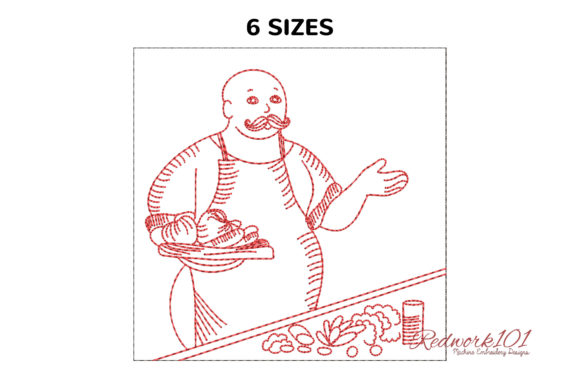
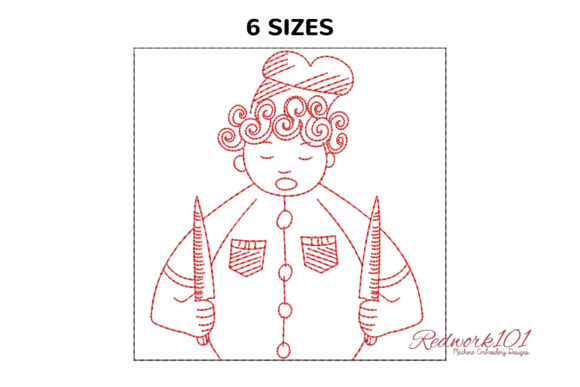
This design presents a charming, almost nostalgic redwork-style illustration of a chef with various utensils. Its mood is decorative and illustrative, rather than ultra-realistic. The detail level is well-balanced for embroidery; the lines are clear, and the elements are distinct without being overly intricate. This gives it a friendly, approachable stitching personality. My first thought was that this wouldn't just be for aprons. Its decorative appeal makes it a natural fit for handmade gifts like pillow covers, baby blankets, or framed hoop art for a nursery or kitchen wall.
Performance Across Different Projects and Fabrics
In real embroidery work, the success of a design hinges on its adaptability. I considered Chef with Cooking Utinsils Redwork across a range of applications. For custom apparel like sweatshirts or aprons, the design size would be key. Without specific stitch counts or hoop sizes listed, I would advise testing on scrap fabric first to find the optimal size, ensuring small details like the utensils remain crisp on potentially textured fabric.
For items like tote bags or kitchen towels, where fabric can be thicker, stitch density is a consideration. The description notes that the optional box stitch can be skipped, which is a useful flexibility for managing density on different materials. On stretchy fabric or curved surfaces like caps, a sturdy stabilizer would be essential to keep the clean lines of this redwork design from distorting.
Navigating Practical Challenges for a Professional Finish
Every embroidery designer knows that what looks good on screen must survive the needle. For a design like this, practical notes are paramount. Always test on scrap fabric, matching the final project material. Check thread color contrast, especially if moving from the redwork example to other colors on dark fabric. A light thread on a dark apron will behave differently than shown in the product image.
Review stitch density by examining the file; areas with multiple overlapping lines could become too dense. Inspecting small details after stitching a sample is crucial—the utensils and chef's features need to be clear. Since the product description mentions an optional outer box with a potentially different color, this is a specific point to confirm in your test stitch. Does skipping it affect the composition? This kind of flexibility can be great for customization.
How This Embroidery File Affects Product Value and Appeal
Using a well-executed, clean embroidery design directly impacts your product's perceived value. Chef with Cooking Utinsils Redwork, when stitched neatly, elevates a simple item. On a pillow cover or apron, it creates a cohesive, thematic handmade presentation. For Etsy listings or craft fair products, such designs enhance visual appeal and customer engagement—people recognize and connect with the classic chef motif.
It supports brand consistency for a seller focusing on kitchen or gourmet themes. As a personalized gift, it feels thoughtfully chosen. In product photography, a clean embroidered design like this looks professional, building buyer trust. It's also suitable for creating printable mockups to showcase your digital product offerings, using the design as a key asset.
Final Considerations Before Stitching Your Order
Before committing this design to a real customer order—whether for a embroidered patch, baby item, or boutique merchandise—a few final steps are non-negotiable. Crucially, confirm file details and licensing on the Creative Fabrica product page before selling finished items. Understand the included formats and any usage terms. This is a foundational step for any commercial embroidery project.
Compare how it looks in both light and dark fabric mockups mentally or digitally. The redwork style might traditionally be on light fabric, but could work reversed on dark with planning. Use the proper stabilizer for your chosen project fabric. And remember, the description clearly states the box is optional and its color may differ, so plan your thread palette accordingly. This design isn't just a file; it's a potential centerpiece for a range of handmade products. Its true worth is determined not on the download page, but on the hoop, through careful testing and application to your specific creative vision.