Design Review: Cook with Mustache & Vegetable Tray
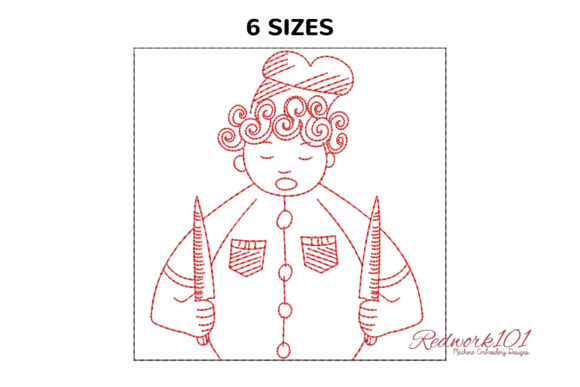
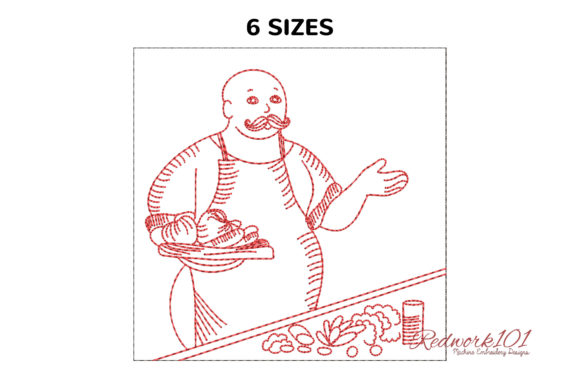
As an embroidery designer working with small businesses every day, my first task is always to look at a design not just as artwork, but as a versatile asset. The Cook with Mustache Carrying Tray of Vegetables immediately strikes a specific and charming tone. It’s playful and character-driven, leaning towards a rustic, handmade feel that feels approachable rather than slickly corporate.
For a café, farm-to-table restaurant, artisan bakery, or a maker selling handmade kitchen goods, this design has a ready-made story. The mustache adds a note of personality, hinting at a chef or a passionate cook. The tray of vegetables grounds it in the Kitchen category, making it a natural fit for food-related businesses. Its inherent warmth can help a brand feel friendly and authentic.
Business Applications for the Mustache Chef Design
When translating this into small business merch, its applications are numerous. The scene is relatively contained, making it a candidate for a focal point on various items.
- Apron Embroidery: This is a perfect match. Placed on the chest or pocket of an apron, it instantly uniforms staff in a thematic way for kitchens, catering businesses, or cooking classes.
- Embroidered Patches: As a standalone patch, it can be ironed or sewn onto tote bags, denim jackets, or chef coats, serving as a movable brand mark for events or retail.
- Cap Embroidery: The design’s central character could work well on the front panel of a cap, especially for a business with a more casual, gourmet brand like a coffee roaster or a food truck.
- Sleeve or Chest Logo Accent: On polo shirts or work shirts for staff, it would function as a secondary, more decorative logo that reinforces the brand’s niche.
- Product Packaging & Labels: For a business selling handmade preserves, spice blends, or kitchen tools, a small embroidered version on a fabric tag or label adds a tangible, premium touch to the handmade product.
- Customer Gifts & Event Merch: Stitched onto tea towels, oven mitts, or small pouches, it creates cohesive branded merchandise for sale or as customer loyalty gifts.
Navigating Practical Embroidery Considerations
To ensure this machine embroidery design performs well in these real-world uses, a designer must approach it with practical eyes. The description notes that “The Box Stitch shown in picture is optional” and that “The color of outer Box is different color in most of the designs unless it is part of the design itself.” This is a crucial point for brand identity and visual consistency.
You have control. The outer box can be removed or its color changed to better match your brand’s color palette or the garment’s fabric. This flexibility is excellent for creating visual harmony across your custom apparel.
Critical Tests Before Production
- Test at Small Patch Size: The vegetables and facial details contain moderate detail. Run the embroidery file at your intended small size (like for a 2-inch patch or cap front) to ensure the mustache, tray, and vegetable outlines remain clear and don’t become a blur of stitches.
- Check Thread Color Contrast: On dark uniforms or bags, you may need to adjust colors for visibility. The vegetables on the tray need to stand out from the tray itself. Always review the provided thread colors list and consider a test sew on your target fabric.
- Manage Stitch Density: Detailed scenes can lead to high stitch density. This can make patches stiff and less suitable for curved surfaces like caps, or it can cause puckering on lightweight fabrics like some tote bag materials. Using the correct stabilizer is non-negotiable.
- Confirm Hoop Size & Fabric Texture: The design’s dimensions will dictate the minimum hoop size required. Always test on real fabric—a textured chef’s apron canvas will hold stitches differently than a smooth polo shirt twill.
- Create a Printable Mockup: Before any commercial embroidery run, create a digital mockup for client approval. Seeing the Cook with Mustache Carrying Tray of Vegetables placed on an apron or cap digitally helps everyone visualize the finished product.
- Confirm Licensing for Business Use: This is paramount. Before using this digital embroidery file for any branded merchandise you sell or uniform you produce, confirm that your license permits commercial embroidery. Never assume.
Where to Use This Design Carefully
While versatile, the Cook with Mustache Carrying Tray of Vegetables has elements that require thoughtful placement.
- Very Small Patch Sizes: If reduced below a certain point, the vegetable details may lose definition, impacting recognition.
- High-Wash Items: On staff uniforms that endure frequent industrial washing, a design with many color changes and details is robust, but choosing durable threads and a secure application method (like a properly sewn-on patch) is key for longevity.
- Curved or Stretchy Surfaces: Embroidering it directly onto a curved baseball cap front requires a file that accommodates the shape. A pre-made patch might be a better solution here.
- Tiny Lettering: If any text is added around it for your brand, keep it simple and large enough to embroider cleanly. This design’s strength is the pictorial scene, not intricate text.
Building Brand Value with Embroidery
Ultimately, adopting a design like this into your business’s visual assets is about building connection. When customers see the Cook with Mustache Carrying Tray of Vegetables consistently on your staff’s aprons, your market tote bags, and your product labels, it builds brand identity and visual consistency.
It signals a focus on kitchen craft, on personality, on handmade care. This can enhance customer trust and engagement, making your brand more memorable than a plain text logo. It adds perceived value; an embroidered logo feels more professional and premium than a printed one, elevating the product value of the item it’s on.
For the embroidery shop or apparel decorator producing this for a client, your role is to guide them through these practical steps. Help them see it as more than a decoration. It’s a design asset that, when executed well, becomes a tangible piece of their brand story on every stitch.