A Practical Review of the Doctor Checking XRay Redwork Embroidery Design
When browsing embroidery designs for a project, it's easy to get lost in visuals. As a professional embroidery designer, my first question is always: will this design work in practice? Today, I'm evaluating the Doctor Checking XRay Redwork design from Creative Fabrica, specifically considering its use in real handmade products and commercial projects.
First Impressions: Visual Mood and Project Fit
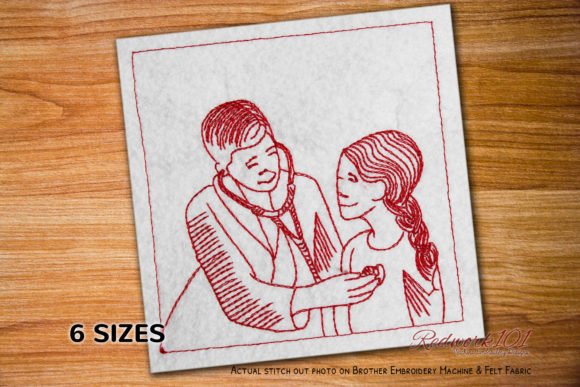
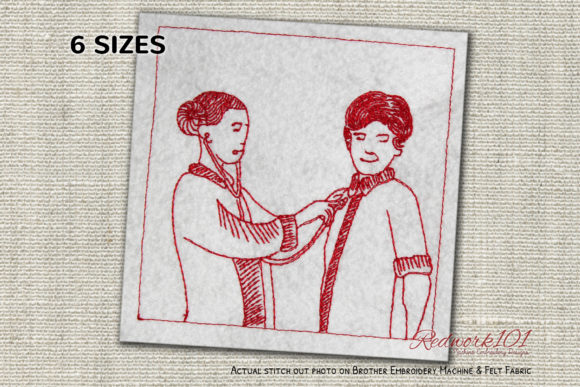
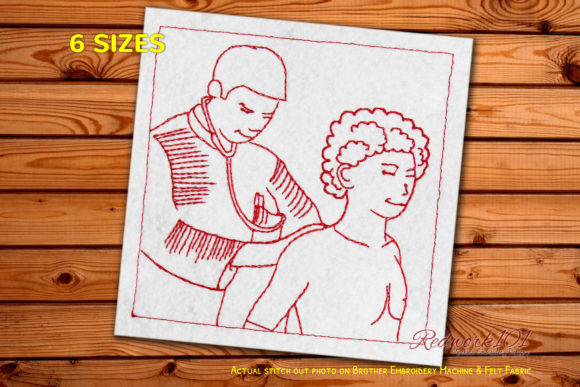
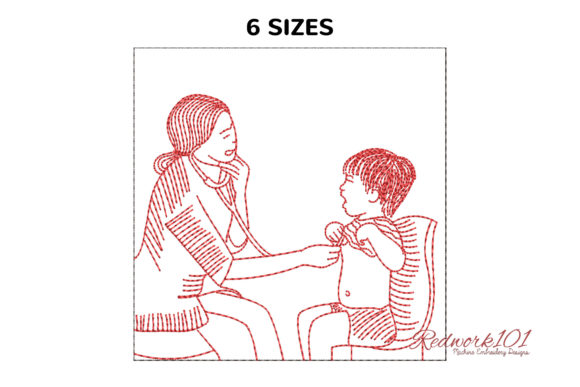
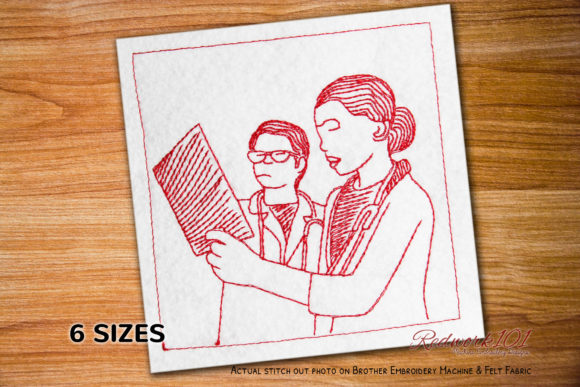
The Doctor Checking XRay Redwork design presents a clear, illustrative style. It has a straightforward, almost diagrammatic feel, which gives it a professional and clean visual mood. The detail level is moderate—it’s not overly intricate, which is often a positive for production efficiency. The stitching personality leans towards decorative yet functional. This isn't a highly ornate, dense fill piece; it feels more like a graphic line drawing translated into stitches.
This kind of design naturally fits projects where clarity and theme are paramount. Think custom apparel for medical professionals or students, tote bags for clinics, or aprons and kitchen towels as gifts for healthcare workers. Its illustrative nature also makes it a strong candidate for embroidered patches, pillow covers for a medical-themed room, or even baby items in a nursery decor scheme if the theme is appropriate. For Etsy listings or craft fair products targeting a specific niche, this design has immediate thematic appeal.
Performance in Real Embroidery Work
Let’s move from theory to the machine. How might Doctor Checking XRay Redwork perform on actual fabrics and products?
Given its likely composition of running stitch outlines (common in redwork styles), the stitch density should be manageable. This is good news for stretchy fabrics like sweatshirts or for curved surfaces like caps, where overly dense designs can pucker or distort. The design’s clarity suggests it won't have tiny, packed details that vanish on textured fabric. However, the presence of small lettering ("XRay") is a note for caution. On dark fabric, the contrast must be high, and on small hoop sizes, those letters need careful observation after stitching.
For products needing frequent washing—like kitchen towels or baby blankets—a design with clean lines and good stabilizer use should hold up well. The lack of massive fill stitch areas reduces the risk of thread snagging or wear over time. This durability supports buyer trust and product value.
Affecting Product Value and Presentation
Using a design like this in your handmade business impacts more than just the stitch. Its clear, thematic nature enhances visual appeal for a specific audience, which can boost customer engagement. For a boutique selling niche merchandise, it supports brand consistency if healthcare or science themes are part of your catalog.
The design’s illustrative style also lends itself well to product photography and printable mockups. It’s graphic enough to be recognizable in listing images, which is crucial for digital product sellers. As a personalized gift, it carries inherent meaning, increasing its giftability. The overall handmade presentation feels intentional and professional when the design stitches out cleanly.
Crucial Practical Steps Before Stitching
Never skip the preparatory work. Here are the practical embroidery notes I would follow with this machine embroidery design.
- Test on scrap fabric first, ideally a similar type to your final project fabric.
- Check thread color contrast thoroughly. Redwork typically implies a single color, but contrast against your background fabric is key.
- Review stitch density in your software. Look for any unexpectedly dense areas that might need adjustment.
- Confirm hoop size required. The product description doesn't specify this, so you must check the actual embroidery file details on the Creative Fabrica product page.
- Create both light and dark fabric mockups digitally to preview the final look.
- Always use the proper stabilizer for your base material. This is non-negotiable for a clean finish.
- After stitching a test, inspect small details like the lettering and the doctor's tool details. Ensure they are clear and not broken.
A critical final step: always confirm file details and licensing on the Creative Fabrica product page before selling finished items. Understand the formats available (PES, DST, etc.) and the license terms for commercial use. This design is categorized under "Work" and "Embroidery," so its intended use is clear, but the specifics of the license are yours to verify.
A Note on the Optional Box Stitch
The product description mentions, "The Box Stitch shown in picture is optional. The color of outer Box is different color in most of the designs unless it is part of the design itself, you can skip the color direct." This is valuable practical information. It means you have control over that border element. For a cleaner, more integrated look on your tote bag design or sweatshirt embroidery, you might omit it. For a standalone embroidered patch, including it might provide a finished frame. This flexibility is a positive feature for adapting the digital embroidery file to your specific project.
Is Doctor Checking XRay Redwork Worth Using?
From a professional perspective, Doctor Checking XRay Redwork appears to be a solid, thematic Creative Fabrica embroidery design. Its strength is its straightforward application to niche projects. It likely won't present major technical hurdles like extreme density or microscopic detail, making it suitable for a range of products from apparel to home decor.
The optional box stitch adds adaptability. For commercial embroidery projects or handmade products for a specific market, it can enhance product value through its clear theme and likely clean stitch-out. However, your success depends entirely on those practical steps: testing, verifying file specifics, and choosing the right project fabric. If you serve a medical, scientific, or educational niche, this design is certainly worth considering as a design asset in your collection. It’s a functional design with a purposeful aesthetic, which is often exactly what a real customer order requires.