An Embroidered Moment of Care: The Doctor Examines a Young Boy
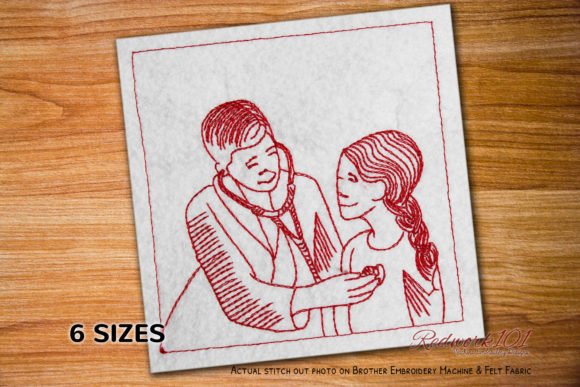
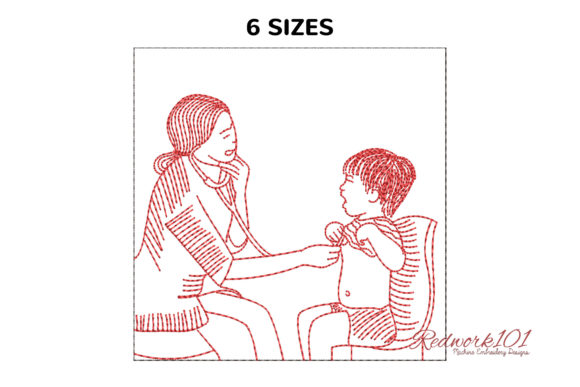
When a design file lands in my library, I don't just look at the preview. I imagine it stitched out, on fabric, in someone’s hands. The title Doctor Examination Young Boy Redwork immediately paints a specific, heartfelt picture. It’s a narrative design, one that captures a quiet, professional moment of care. The mood is gentle, classic, and reassuring. This isn’t a flashy graphic; it’s a vignette with a story, which gives it a unique personality for the right embroidery project.
Where This Design Finds Its True Home
My first thought was of a personalized gift. Imagine a pediatrician retiring, and a nurse wanting to create a custom embroidered pillow cover or a framed patch as a tribute. Or consider a mother whose son adores his doctor—this design stitched onto a child’s baby blanket or the corner of a nursery decor towel would be deeply meaningful. The theme naturally leans towards heirloom-quality items, appreciation gifts, and personalized products for medical professionals or families touched by their care.
For craft business and Etsy sellers, this design could anchor a niche product line. It could be the centerpiece on a tote bag for a nursing student, appliquéd onto an apron for a clinic volunteer, or neatly stitched onto a cap as a subtle, profession-themed accessory. Its classic redwork style—traditionally single-color linework—offers a timeless, handmade presentation that elevates a simple item. On a natural linen tea towel or a cream-colored sweatshirt, it would look less like a generic logo and more like a piece of illustrative art, which increases perceived value and buyer engagement.
Practical Performance on Real Products
Moving from the idea to the machine, the success of this machine embroidery design hinges on clarity. The scene involves two figures and likely fine details—the doctor’s features, the boy’s expression, possibly medical instruments. On a standard cotton tote bag or a smooth pillow cover, with proper stabilizer, it should stitch out cleanly. The optional box stitch mentioned in the description is a key consideration. If it’s merely a decorative border, skipping it as suggested could result in a cleaner, more focused illustration, letting the scene itself be the entire frame.
However, this level of detail demands careful project planning. On small hoop sizes, or on textured fabrics like a sweater, the finer lines might lose definition. On dark fabric, you’ll need to ensure your thread colors have enough contrast—a bright white or a soft cream for the traditional redwork look could be stunning. For items like caps or curved surfaces, the density and layout need to be checked; a dense, detailed area might pucker on a curved seam. This isn’t a design I would casually stitch onto thin, stretchy fabric for everyday apparel without testing first.
Navigating the Details for Professional Results
As a designer preparing for a client project or a small shop product, my process would be methodical. I’d test the design on scrap fabric first, using the same material as my final product. This lets me inspect the small details—are the doctor’s hands clear? Does the boy’s posture read well? I’d also check stitch density in any fill areas to ensure it’s suitable for my chosen fabric weight.
For commercial embroidery or selling finished items, understanding the design’s intent is crucial. The description notes the outer box color can vary and can be skipped. This flexibility is excellent. It means you can adapt the design to your product’s color scheme. Perhaps on a navy blue sweatshirt embroidery, you omit the box and let the redwork scene float, creating a more integrated, artistic look. This adaptability aids brand consistency if you’re using it across a product range.
Ensuring Visual Appeal and Customer Trust
The ultimate test is how the finished product feels and looks. This design, when executed well, conveys professionalism and care. It’s not cartoonish; it’s respectful. That authenticity builds customer trust. A buyer purchasing an embroidered patch with this design for a gift isn’t just buying decoration; they’re buying a symbol. That emotional connection enhances giftability and recognition.
For digital product sellers offering this as a design asset, providing clear application notes is valuable. Advise customers to review hoop size requirements and to compare light and dark fabric backgrounds in their software before stitching. Suggest it works beautifully for both personal and commercial projects, but always remind them to confirm licensing before selling the stitched items. A clean stitch-out on a printable mockup for your Etsy listing shows potential buyers the quality they can expect.
A Design With a Quiet, Purposeful Impact
In my evaluation, Doctor Examination Young Boy Redwork is a specialty design with powerful niche appeal. It won’t be for every project, but when the context is right, it shines. It moves beyond mere decoration to become a storytelling element on fabric. For the creative entrepreneur looking to offer meaningful, personalized products, or for the hobbyist crafting a one-of-a-kind gift, it provides a ready-made narrative. Its success depends on treating it with the same care it depicts: choosing the right fabric, respecting the details, and placing it where its story can be truly appreciated.