Apatosaurus Redwork Embroidery Design Review
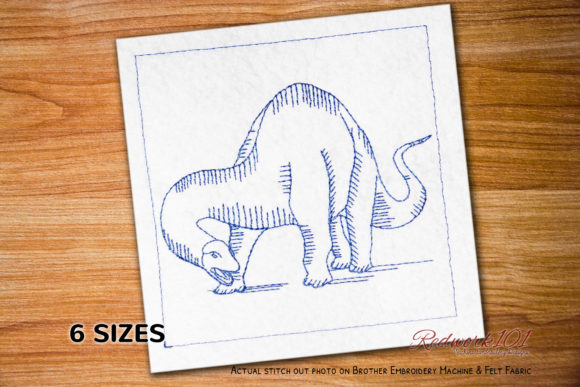
As an embroidery designer preparing for a weekend craft fair, the first thing I do is evaluate new designs with a critical, product-focused eye. When I look at the Apatosaurus Dinosaurs Redwork Design, my immediate impression is that it leans toward a soft, decorative, and charmingly rustic aesthetic. The "redwork" style—typically a single-color, outline-based embroidery—suggests a classic, handcrafted feel that resonates with customers seeking a gentle, nostalgic touch rather than a bold, graphic statement. This is a key mood for handmade market products.
Where This Design Stands Out on Your Booth Table
Imagine your display: tote bags, aprons, tea towels, patches, and pillow covers. The Apatosaurus Dinosaurs Redwork Design will not scream for attention from across the room. Instead, it will draw in customers who are browsing closely, appreciating fine detail. It has a storybook quality that makes it perfect for gifts and items meant for a cozy, personal space. It wouldn’t be the star of a festive or modern-themed booth, but it would be a strong, reliable seller in a booth focused on handmade quality and decorative appeal.
For product placement, I would make it a focal point on smaller, giftable items where the detail can be admired. A tea towel embroidery or a small fabric pouch would be excellent choices. On a larger item like a market bag, it might need to be scaled appropriately to maintain its delicate charm without looking sparse.
Performance Across Key Craft Fair Products
Let’s break down how this machine embroidery design performs on specific products, which is crucial for batch production and display planning.
Tote Bags & Aprons
On a tote bag or apron, the design acts as a lovely accent. Its success depends heavily on fabric color and thread contrast. On natural linen or light canvas, a classic red or brick thread will look premium and handmade. On darker fabrics, you must ensure the thread color is bold enough to pop; a redwork design can lose clarity here. The optional box stitch mentioned in the description is a practical consideration—it could frame the dinosaur nicely on these larger items, adding a finished look.
Tea Towels & Kitchen Linens
This is arguably its best application. The Apatosaurus Dinosaurs Redwork Design feels inherently suited to tea towel embroidery. The rustic, soft mood aligns perfectly with farmhouse and cottage-core styles that sell incredibly well. Beware of textured towels, however. A looped terry cloth or a highly textured linen can distort small details. Use a firm stabilizer and test on a scrap first.
Embroidered Patches & Caps
For an embroidered patch, the design’s outline style is advantageous—it’s generally less dense, making it comfortable to wear. However, translating it to a curved cap surface presents challenges. Tiny details in the dinosaur’s outline or any small lettering (if present) might become lost. Always create at least one real mockup on a cap to check clarity before committing to production.
Pillow Covers & Decorative Items
As a decorative element on a pillow cover, it offers a subtle, sophisticated touch. It elevates the product’s perceived handmade quality and value. This application allows for a slightly larger hoop size, letting the design breathe and become a true focal point in a living space.
Practical Production Notes for Your Small Shop
Turning a digital embroidery file into sellable craft fair products requires a pragmatic approach.
First, assess the design’s stitch density. Redwork designs are often lighter, which is good for production speed and fabric integrity, especially on thinner materials like tea towels. However, check for any densely packed areas within the dinosaur’s form that might require multiple passes or cause puckering.
Second, consider scalability. Is this design versatile enough to work as a small accent on a pouch and a large feature on a pillow? The simplicity of redwork often means it scales well, but you must test the design on scrap fabric at different sizes. A design that loses its character when too small will limit your product range.
Third, photography and online sales. For your Etsy listings and printable mockups, this design photographs beautifully when stitched neatly on a complementary fabric. The single-color scheme is clean and uncluttered, making the finished product easy to understand at a glance in an online thumbnail—a critical sales factor.
Critical Checks Before Your Craft Fair
To ensure your booth display is strong and your products are consistent, follow these final designer notes.
- Thread Contrast: Never assume. Physically compare your chosen thread color against your full range of fabric colors—light, dark, and textured.
- Stabilizer Selection: Match your stabilizer to the fabric. A towel requires a different approach than a tote bag canvas.
- Hoop Size Confirmation: The product description doesn’t specify a hoop size. You must check the actual embroidery file details to know the optimal and maximum hoop sizes for production.
- Commercial Licensing: Before selling any finished product, confirm that your use of this digital embroidery file is licensed for commercial embroidery. This is a non-negotiable step for any Etsy seller or small shop product.
- Batch Production Feel: Does the design feel repeatable? A clean, straightforward design like this Apatosaurus Dinosaurs Redwork Design often does, making it efficient for creating multiple items for your booth inventory.
In conclusion, the Apatosaurus Dinosaurs Redwork Design is a solid, charming addition to a craft fair lineup focused on decorative, giftable, and premium-feeling handmade items. It won’t cater to every customer, but for those seeking a touch of gentle, rustic charm—especially within the popular Dinosaurs category—it will be a thoughtful and sellable choice. Its success hinges on your execution: careful fabric selection, precise production, and showcasing it on products where its soft, storybook details can truly shine.