From Classic Car to Classic Gift: A Designer's Mustang Redwork Review
When a new embroidery design arrives in my studio, I treat it like a potential new member of the team. I test it, push its limits, and imagine it on the products that will eventually hold someone’s memories. Today, that new member is the 1968 Ford Mustang Fastback Redwork. As an embroidery designer working with gift shops and makers, my task isn't just to stitch it—it's to understand its soul, its practical performance, and the story it tells when it becomes a personalized gift.
The First Impression: Charm, Nostalgia, and Clean Lines
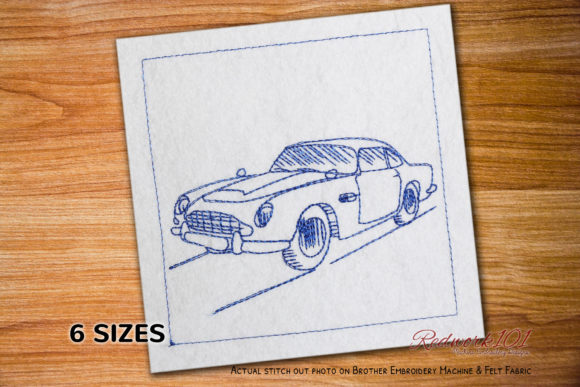
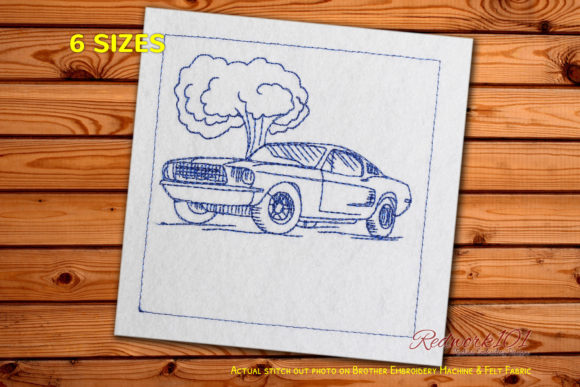
The moment I loaded the 1968 Ford Mustang Fastback Redwork preview, its mood was immediately clear: classic, nostalgic, and elegantly simple. The Redwork style, with its focus on outline and detail rather than filled color, gives it a handmade, illustrative charm. It feels less like a loud logo and more like a cherished sketch from a vintage car manual. This is its greatest emotional appeal. It doesn’t scream; it whispers stories of road trips, family heirlooms, and timeless style. For customers seeking a gift that feels thoughtful rather than generic, this subtlety is a massive advantage.
The detail level is pleasing—clean lines define the iconic fastback silhouette. This is crucial. Too many details on a small-scale embroidery can become a muddy blob, but this design appears to balance recognition with stitchability. The optional box stitch mentioned in the description is an interesting framing element. Since the box color can vary, it offers a customization point right within the machine embroidery design itself, letting makers match it to thread or product color schemes.
The Gift Universe: Where This Mustang Finds Its Home
My review process always involves mentally placing the design on a dozen different products. For the 1968 Ford Mustang Fastback Redwork, the potential is wonderfully broad.
- Baby Embroidery & Nursery Decor: Imagine this on a baby blanket for a newborn whose parents are classic car enthusiasts. It becomes a unique, personalized heirloom, blending transportation passion with family warmth.
- Wedding Gifts & Keepsakes: For a couple who loves vintage aesthetics or perhaps even owns a Mustang, this stitch on a pillow cover or kitchen towel becomes a profoundly personal wedding gift.
- Family Keepsakes & Home Decor: Pillow covers, aprons, and framed embroidery art featuring this design cater to a "gift for dad," "retirement present," or "anniversary celebration" niche.
- Personalized Towels & Kitchen Textiles: Its classic look elevates a simple tea towel or apron into a conversation piece.
- Craft Fair Stars & Etsy Listings: For Etsy sellers and small shop product creators, this design taps into a passionate, niche market. Finished products like custom tote bags or embroidered towels with this file can attract buyers looking for that perfect, non-mass-produced gift.
The key is marketing it not just as an embroidery, but as a personalized gift carrying a narrative. A digital embroidery file like this allows sellers to offer custom embroidery previews using printable mockups, building trust before the needle even touches the fabric.
Practical Considerations: Where to Proceed with Care
No design is perfect for every application, and a professional test means identifying its limits. Here’s where I’d advise caution when using the 1968 Ford Mustang Fastback Redwork.
- On Small-Scale Items: If any small lettering or extremely fine details are present within the design, stitching it on very small items like infant clothing cuffs might lose clarity. Always check the design preview at your intended hoop size.
- On Textured or Challenging Fabrics: Thick towels, stretchy baby clothes, and dark fabrics demand extra attention. Proper stabilizer is non-negotiable to maintain those clean lines. On dark fabrics, thread color contrast needs to be planned—will the redwork style still pop?
- On Curved or Difficult Surfaces: Embroidering on a curved tote bag side or a padded pillow requires careful hooping and possibly adjusting stitch density settings to prevent puckering.
- For Products Requiring Frequent Washing: Items like kitchen towels or baby blankets will be laundered often. A robust stitch structure is key. I always recommend testing on scrap fabric first, then simulating wash cycles to see how the design holds up.
The Business of Stitches: Giftability, Value, and Trust
From a commercial standpoint, how does this design perform? Its handmade product appeal directly boosts perceived value. A crisp, clean embroidery of a classic car on a high-quality towel feels premium compared to a printed logo. This elevates giftability.
For customer trust and engagement, the design’s classic and emotional nature helps. Product photography for your Etsy listings or website can focus on the story—the Mustang on a cozy blanket, not just the stitch itself. This builds an emotional connection with potential buyers. They see the finished product as a personalized gift, not just a commodity.
Before any commercial embroidery production begins, one must confirm the licensing terms of the embroidery file. Can you sell finished products in unlimited quantities? On physical products only? Always verify this crucial detail to protect your small shop product business.
Essential Embroidery Notes Before You Hoop
Based on my standard testing protocol, here is my practical checklist for using the 1968 Ford Mustang Fastback Redwork successfully:
- Test on Scrap Fabric First: Use the same material you plan to sell (cotton, linen, towel fabric). Check for puckering and clarity.
- Compare Light and Dark Fabric Mockups: See how the design translates visually on both backgrounds. This informs thread choice.
- Confirm Your Hoop Size: Ensure the design fits comfortably within your intended hoop without needing excessive scaling.
- Review Stitch Density: A good file will have density suitable for the detail level. Too dense can stiffen fabrics; too light can look sparse.
- Use the Proper Stabilizer: Match the stabilizer to your fabric weight and type. Don’t skimp here.
- Check Small Details After Stitching: After your test run, inspect the smallest lines to ensure they are distinct and not broken.
- Plan Your Thread Colors: While redwork suggests a single color, the optional box may use another. Plan a cohesive palette.
- Confirm Commercial Licensing: Before listing your first blanket embroidery or pillow cover for sale, know the rules.
In the world of personalized gift creation, a design like the 1968 Ford Mustang Fastback Redwork is more than a pattern—it’s a bridge between a hobbyist’s passion and a maker’s craft. It has the charm to attract a dedicated customer and the clean execution to result in a high-quality finished product. With careful testing and thoughtful product pairing, it can become a star in your lineup of handmade product offerings, turning fabric into keepsakes and stitches into stories.