Stitching a Classic: The James Bond 1964 Aston Martin Redwork Design
As a professional embroidery designer who works daily on custom apparel and handmade gifts, I’m always looking for designs that combine strong visual appeal with practical stitching performance. When I first saw the James Bond 1964 Aston Martin Redwork embroidery file on Creative Fabrica, I knew I had to evaluate it for real project use. It immediately evokes a specific, nostalgic mood—a blend of classic sophistication and action-packed charm that’s perfect for certain customer niches.
First Impressions & Project Fit
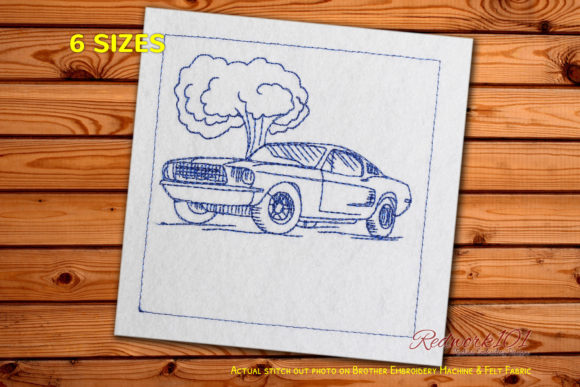
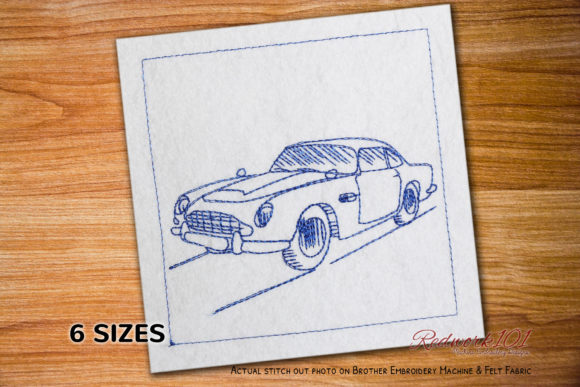
This is a classic redwork design, meaning it’s intended for single-color stitching, which gives it a clean, illustrative, almost vintage feel. The subject, the iconic Aston Martin, is rendered with a good level of detail for this style. It’s not overly dense or photographic; it has a decorative, sketched personality that makes it highly suitable for decorative projects rather than ultra-fine replication. My first thought was that it would naturally fit on items like tote bags, pillow covers for a fan’s den, aprons for a themed kitchen, or as a framed embroidered piece. For sellers, it taps into the enduring appeal of the Transportation category and classic cinema, which can be a great hook for Etsy listings or craft fair products.
The product description notes that “The Box Stitch shown in picture is optional” and that the outer box color can vary. This is a crucial bit of flexibility. In practice, you can treat the bounding box as a decorative border or skip it entirely to feature just the car, adapting the design to different product sizes and aesthetics.
Performance in Real Embroidery Work
Before committing any machine embroidery design to a customer’s order, I consider its performance across various applications.
Stitching on Common Products
For custom apparel like sweatshirts or polo shirts, this design’s single-color nature simplifies thread management. On baby blankets or nursery decor for a Bond-loving parent, the redwork style offers a softer, less bulky stitch profile than multi-color fills, which is safer for sensitive fabrics. For caps, the potentially curved surfaces require attention; the optional box stitch might be best omitted here to allow the car design to contour better. As an embroidered patch, this could work well, provided the stitch density is balanced so the patch isn’t too stiff.
Navigating Fabric & Detail Challenges
The success of this Creative Fabrica embroidery file depends on careful setup. On textured or stretchy fabrics, a sturdy stabilizer is essential to preserve the clean lines of the car’s outline. For dark fabric, you must ensure your chosen thread color has enough contrast—a classic red might pop on navy, but consider a brighter or metallic red for black. Always test on scrap fabric first. Small, intricate details, like the car’s grille or wheel spokes, should be inspected after a test run to ensure they stitch out clearly without becoming a tangled mass. If the design includes tiny lettering (like “1964”), you’ll need to confirm your hoop size and machine can handle that level of detail.
Affecting Product Value & Customer Appeal
Using a design like the James Bond 1964 Aston Martin Redwork on your handmade products directly impacts perceived value.
For boutique merchandise or personalized gifts, it adds a layer of thematic storytelling. A tote bag with this design isn’t just a bag; it’s a statement piece for a film enthusiast. This enhances giftability and customer engagement. For your brand consistency, if you cater to a pop-culture or automotive niche, such designs can strengthen your shop’s identity.
In product photography and printable mockups, the clean, iconic graphic lends itself to crisp, attractive presentation. It’s easier to photograph well than overly busy designs, helping build buyer trust through clear, professional images. For commercial embroidery on a series of products, the relatively straightforward single-color execution can mean faster production and consistent results across items.
Practical Embroidery Notes for Success
My final advice before you download and use this digital embroidery file is rooted in professional caution.
- Review the stitch density in your software preview. Redwork often uses running stitches or lighter fills. Ensure it’s not unexpectedly dense for your target fabric, like a thin kitchen towel.
- Compare light and dark fabric mockups digitally to choose the most striking thread color. Don’t assume the preview color will work on all backgrounds.
- If you intend to sell the finished item, confirm file details and licensing on the Creative Fabrica product page. Understand the terms for commercial use to protect your business.
- Plan your hoop placement. If you use the optional box stitch, the design’s footprint will be larger. Ensure your smallest available hoop can still accommodate the core car design if you skip the box.
- Always inspect small details after stitching your test piece. This is the best way to gauge if any adjustments to speed or tension are needed.
The James Bond 1964 Aston Martin Redwork design holds definite potential for crafters and decorators looking for a recognizable, stylish motif. Its success, however, hinges entirely on matching it to the right product and executing it with careful preparation. It’s not a one-size-fits-all design, but for the right project—a themed pillow, a fan’s sweatshirt, a decorative towel—it can stitch up into a wonderfully appealing finished product that customers will appreciate. Approach it as a versatile design asset, and you can unlock its value for your handmade shop.